
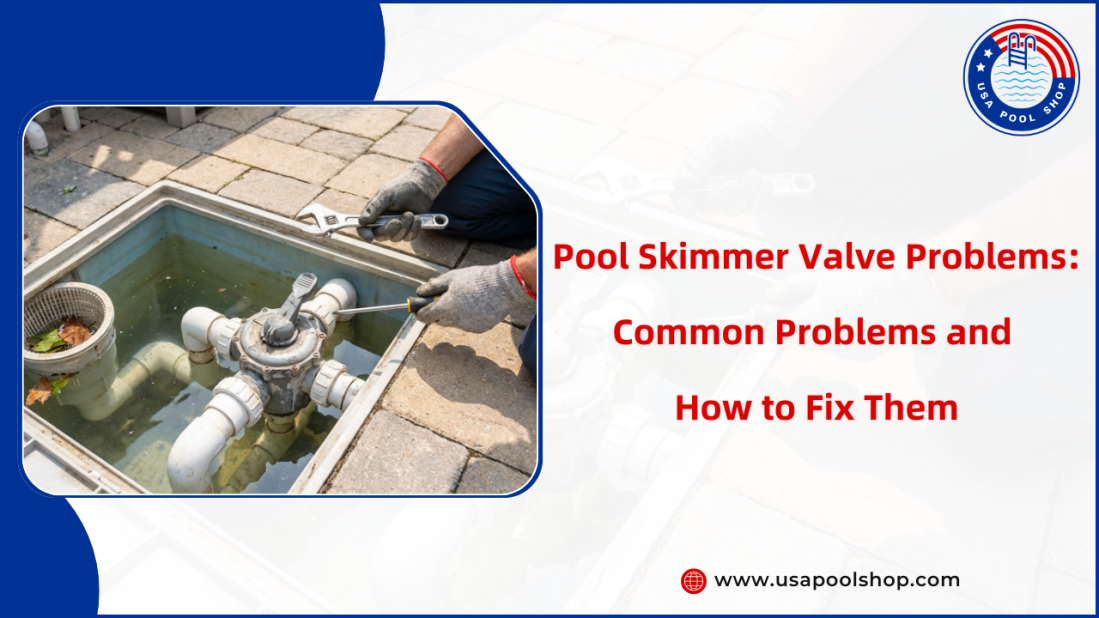
A pool skimmer valve is a small but essential part of your pool’s circulation system, controlling water flow from the skimmer to the pump. It helps remove debris, maintain water clarity, and ensures efficient filtration, protecting your pool equipment. Over time, skimmer valves can develop problems due to wear, debris buildup, or improper installation.
Common issues include leaks, sticking, and broken handles, which can disrupt water flow and reduce pool efficiency. Most problems can be fixed with basic tools and some know-how. Recognizing the signs of a failing pool skimmer valve and addressing them promptly can save you from costly repairs and keep your pool clean, safe, and running smoothly throughout the season.
What Does a Pool Skimmer Valve Do and Why Is It Important?
A pool skimmer valve might seem like a minor component, but it plays a pivotal role in maintaining a clean and healthy pool. It controls the water flow between the skimmer and the pump, directly affecting filtration and circulation. Without it, debris removal and water balance can be compromised.
Why a Pool Skimmer Valve Is Important:
Regulates Surface Water Levels: Ensures the right amount of surface water is drawn in, preventing skimmer overflow or water starvation.
Prevents Airlocks in the Pump: A properly functioning valve maintains continuous water flow, avoiding air pockets that can damage the pump.
Reduces Wear on Pool Equipment: By controlling water pressure and flow, it minimizes stress on the pump, filter, and plumbing.
Helps with Chemical Distribution: Proper circulation ensures chemicals like chlorine are evenly spread, improving sanitation.
Facilitates Seasonal Maintenance: Allows you to isolate sections of the pool system for repairs or winterization without shutting down the entire system.
Minimizes Debris Re-entry: Prevents collected debris from flowing back into the pool when the pump is off.
In short, the skimmer valve isn’t just a control device—it’s a key player in efficiency, longevity, and hygiene for your pool system.
Looking for a reliable skimmer valve to keep your pool running at its best? At USAPoolShop, we offer a curated range of premium Hayward pool accessories, including skimmer valves, multiport valves, ball valves, check valves, bulkhead fittings, and other essential plumbing components built for durability and superior performance. Elevate your pool care with trusted products that ensure smooth operation, crystal-clear water, and long-lasting value.
What Are the Most Common Pool Skimmer Valve Problems?
Pool skimmer valves are essential for smooth water circulation, but over time, they can develop issues that affect pool performance. Identifying these problems early can save you from costly repairs and keep your pool operating efficiently.
Common Pool Skimmer Valve Problems:
Cracked or Worn Valve Bodies: Continuous exposure to sunlight, pool chemicals, and water pressure can weaken the valve housing, leading to leaks and reduced water flow.
Valve Handle Malfunctions: Handles can become loose, stiff, or break entirely, making it difficult to control water flow accurately.
Debris Blockages Inside the Valve: Leaves, sand, or hair can get trapped, restricting flow and causing uneven skimming.
Air Suction Issues: Damaged seals or gaskets may allow air into the system, creating airlocks that reduce pump efficiency and can damage the pump.
Sticking or Jammed Valves: Mineral buildup or corrosion can prevent the valve from moving, hindering proper water adjustment.
Uneven Water Flow Between Skimmers: A partially blocked or broken valve can cause imbalance, leaving some areas under-filtered.
Silent Leaks: Hidden leaks slowly reduce circulation, making filtration less effective over time.
Addressing these problems promptly ensures consistent water flow, prolongs pump life, and keeps your pool clean, safe, and enjoyable all season long.
How to Diagnose Skimmer Valve Issues the Right Way
Many pool skimmer valve problems go unnoticed until they affect circulation or damage pool equipment. Spotting subtle signs early can save costly repairs and improve overall pool efficiency.
Ways to Diagnose Pool Skimmer Valve Problems:
Issue / Check | Symptoms | Fix / Solution |
Leaks / Micro-Air Bubbles | Air streams, reduced efficiency | Replace O-rings/gaskets, epoxy micro-cracks, adjust valve seat |
Stuck / Skimmer Basket Behavior | Fluctuating water, restricted flow | Clean debris, lubricate, tap to loosen |
Broken Valve / Hydraulic Whines | Noise, no flow control | Replace valve, check plumbing alignment |
Air Suction / Pipe Temperature | Uneven temp, pump inefficiency | Inspect lines for leaks, correct valve orientation |
Hard-to-Turn / Valve Rotation | Stiff valves | Replace worn parts, clean and lubricate regularly |
Chemical Distribution Issues | Uneven chemicals | Adjust valve, clean passages, balance circulation |
Using these subtle, less obvious signs allows pool owners to detect issues before they escalate, ensuring consistent circulation, optimal filtration, and longer valve lifespan.
Check out how to properly install and adjust pool actuator valves to ensure optimal water flow, prevent leaks, and maintain your pool’s circulation system efficiently.
How to Fix the Most Common Pool Skimmer Valve Problems
Once you’ve identified the problem, the next step is resolving it efficiently. Here’s a detailed guide for tackling common issues with skimmer valves on pool systems, including some lesser-known tips:
Stopping Leaks
Leaks can gradually reduce pool efficiency and, if ignored, may cause bigger plumbing issues.
Replace Hidden Seals or Gaskets: Even if seals look intact, they may be compressed or warped. Remove the valve cover and replace all O-rings and gaskets to ensure a proper seal.
Use Specialized Epoxy for Micro-Cracks: Tiny internal cracks can sometimes be fixed with a pool-safe epoxy injected into the valve body. This prevents leaks without replacing the valve immediately.
Check Valve Seat Alignment: Misaligned valve seats can cause subtle leaks; adjusting or lightly sanding the seating area can restore proper sealing.
Freeing a Stuck or Jammed Valve
A valve that doesn’t move smoothly can restrict water flow and strain your pump.
Remove Biofilm and Debris Layers: Over time, algae or biofilm can build up inside the valve, restricting movement. Scrubbing with a soft brush or soaking in diluted pool cleaner can help.
Targeted Lubrication: Apply silicone-based, pool-safe lubricant only to shafts and seals. Over-lubrication can attract debris and worsen sticking.
Gently Tap to Loosen: Lightly tapping the valve body can dislodge mineral deposits that cleaning alone may miss.
Replacing a Broken Valve
A completely broken valve cannot control water flow and must be replaced for proper circulation.
Inspect Plumbing Alignment: When installing a new valve, ensure pipes are properly aligned to prevent stress that can crack the valve in the future.
Pre-Test Before Sealing: Temporarily attach the valve and run the pump to check for leaks before fully tightening.
Fixing Air Suction Problems
Air entering the system reduces pump efficiency and can damage equipment over time.
Check Underwater Suction Lines: Air can enter from hidden leaks in suction lines, not just the valve. Inspect nearby plumbing for small cracks.
Inspect Valve Orientation: Some valves allow airflow if installed upside down; ensure proper orientation according to the manufacturer.
Resolving Difficulty in Adjustment
Stiff or hard-to-turn valves reduce control over water flow and filtration efficiency.
Replace Worn Internal Mechanisms: Sometimes the valve body is fine, but internal cams or slides wear out. Replacing just the mechanism can restore smooth operation.
Regular Preventive Maintenance: Periodically disassemble, clean, and lubricate valves to prevent stiffness before it starts.
By combining standard fixes with these less obvious adjustments, you can restore proper function, extend valve life, and ensure smooth pool circulation.
Also, check out how to identify and replace worn pool sweep parts for optimal efficiency to keep your pool clean, extend equipment life, and ensure smooth operation.
How to Prevent Skimmer Valve Problems in the Future
Preventing skimmer valve issues is far easier than fixing them after they occur. Regular care and attention can extend the life of your valves and keep your pool circulating efficiently.
Tips to Prevent Skimmer Valve Problems:
Regular Micro-Inspections: Check valves for hairline cracks, stress marks, or early signs of corrosion monthly, even if they seem to work fine.
Rotate Valve Handles Periodically: Even when not in use, gently move the handles through their full range to prevent sticking or seizing.
Control Water Chemistry: Imbalanced pH or high calcium levels accelerate mineral buildup and corrosion inside valves. Maintain balanced water to reduce wear.
Install a Pre-Skimmer Strainer: A small strainer before the skimmer valve can catch fine debris before it enters, reducing internal clogging.
Seasonal Valve Lubrication: Apply pool-safe silicone lubricant during seasonal maintenance rather than waiting for stiffness to occur.
Avoid Excessive Valve Stress: Do not force stiff valves, as over-torque can crack the body or damage internal components.
Monitor for Subtle Flow Changes: Minor fluctuations in skimmer suction often indicate early issues; addressing them promptly prevents bigger problems.
Record Maintenance Patterns: Keep a log of cleaning, lubrication, and inspections to track trends and anticipate valve replacement before failure.
By following these proactive steps, you can avoid common valve failures, ensure smooth water flow, and extend the life of your pool system.
Conclusion: Keep Your Pool Skimmer Valves Healthy for Long-Lasting Performance
Pool skimmer valves play a crucial role in keeping water circulating, removing debris, and protecting your pump from strain. Regular checks and maintenance can extend their lifespan and prevent unexpected failures. Watching for subtle signs like slow valve movement or air pockets helps catch issues early, keeping your pool clean and trouble-free.
Key Takeaways:
Monitor valve response time: Slow or stiff valves may indicate internal wear or mineral buildup that needs attention.
Watch for hidden air pockets: Even small trapped air can reduce suction efficiency and stress the pump over time.
Inspect alignment after weather events: Heavy rain, frost, or soil shifts can subtly misalign valves, reducing flow efficiency.
Track chemical effects on materials: High chlorine or pH imbalances can degrade plastics and seals, often without immediate visible damage.
Rotate valves during off-season: Gentle movement prevents seals from sticking and maintains smooth operation.
Mark optimal flow positions: Using visual markers after balancing valves makes it easier to detect changes caused by debris or plumbing adjustments.
Combine valve checks with pump monitoring: Early signs of pump pressure fluctuations often indicate valve restrictions before leaks or damage appear.
By following these less-obvious strategies, you can maintain optimal water circulation, extend the lifespan of your swimming pool skimmer valve, as well as your pumps, and avoid costly repairs. Thoughtful, proactive valve care ensures your pool stays sparkling, functional, and worry-free throughout the year.
FAQs
How does a pool skimmer float valve work?
A pool skimmer float valve regulates water flow between the skimmer and main drain for balanced circulation. It also prevents the pump from running dry by closing if the water level gets too low.
How to open a pool skimmer valve?
Locate the valve inside the skimmer well and lift or rotate the control plate or diverter. Use gentle pressure to avoid damaging the valve or surrounding fittings.
How to turn off the skimmer valve in the pool?
Turn the diverter or valve plate to block water flow from the skimmer line. Some systems use external valves near the pump that can be closed instead.
Where is the skimmer valve on a swimming pool?
The skimmer valve is typically located inside the skimmer housing beneath the basket. In some setups, additional control valves may sit on the equipment pad near the pump.
Can a pool skimmer float valve assembly be defective?
Yes, the assembly can fail due to wear, debris, or swollen parts that restrict movement. A defective float valve may cause poor suction, pump issues, or erratic water levels.



Validate your login