
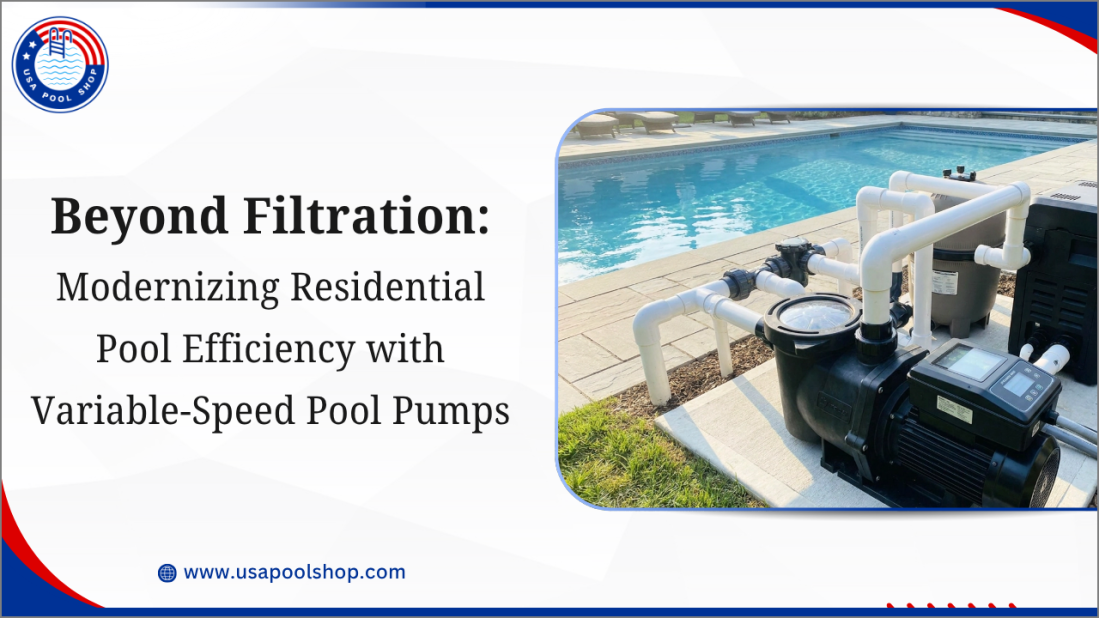
Traditional pool pumps were designed with one primary goal: keeping water moving through the filtration system. However, modern homeowners are looking for solutions that do more than just circulate water. As energy costs continue to rise and smart home technologies become increasingly popular, variable-speed pool pumps are emerging as an efficient upgrade that enhances overall pool performance while reducing operating expenses.
Beyond filtration, these advanced pumps help optimize water circulation, improve chemical distribution, minimize noise, and extend the lifespan of connected pool equipment. By adjusting motor speeds to match specific pool needs, they deliver greater control and efficiency than conventional single-speed models. Understanding how variable-speed pool pumps work and the value they provide can help you make a smarter investment for long-term pool ownership.
Why Variable-Speed Pool Pumps Are Becoming Essential for Modern Pools
Variable-speed pool pumps are transforming residential pool efficiency by offering better performance, lower energy consumption, and improved control. As homeowners prioritize energy savings and smarter pool maintenance, these pumps are becoming a practical alternative to traditional single-speed models.
High Energy Use: Single-speed pumps consume more electricity by operating at full power. Variable-speed pool pumps reduce energy costs by adjusting to actual pool demands.
Increasing Efficiency Standards: Modern energy regulations favor energy-efficient pool equipment. Variable-speed pool pumps help homeowners meet these evolving standards.
Excessive Noise: Traditional pumps can be loud and disruptive. Variable-speed pool pumps operate more quietly, creating a more enjoyable pool environment.
Poor Water Circulation: Uneven circulation can affect filtration and chemical distribution. Adjustable speeds improve water flow and overall pool efficiency.
Equipment Strain: Constant high-speed operation accelerates wear on pool components. Variable-speed pool pumps help extend the lifespan of connected equipment.
How Variable-Speed Pool Pumps Improve Pool Efficiency Beyond Filtration
Variable-speed pool pumps improve overall pool efficiency by adjusting motor speed to match specific tasks. Unlike single-speed pumps that operate at full power continuously, they enhance circulation, improve chemical distribution, optimize heating performance, and reduce energy consumption.
The Physics of Efficiency (Pump Affinity Law): Variable-speed pumps operate based on the pump affinity law, which states that power consumption decreases dramatically as motor speed is reduced.
The Math: Cutting pump speed by 50% reduces energy required ($/hr) to 12.5% of the original requirement.
The Result: Lower RPM operation can achieve the same water turnover while using up to 80–90% less energy.
Enhanced Chemical and Sanitization Efficiency: Consistent circulation improves water quality and sanitizer effectiveness.
Eliminates stagnant areas where debris and algae can accumulate.
Ensures even distribution of chlorine and balancing chemicals.
Supports efficient operation of salt chlorinators and UV sanitization systems.
Improved Heating Efficiency: Lower flow rates help heating systems perform more effectively.
Increase heat transfer by extending water contact time within heaters and solar systems.
Maintain more consistent water temperatures throughout the pool.
Reduced Equipment Wear: Operating at lower speeds decreases stress on pool equipment.
Reduces pressure within plumbing and filtration systems.
Minimizes wear on filters, heaters, valves, and seals.
Extends the lifespan of connected equipment.
Flexible Operation: Variable-speed pumps can be programmed for different pool functions.
Customize speeds for filtration, cleaning, water features, and backwashing.
Use only the power required for each task, avoiding unnecessary energy consumption.
How Much You Can Save by Switching to a Variable-Speed Pool Pump
One of the biggest advantages of upgrading to a variable-speed pool pump is the potential for substantial energy savings. By operating at lower speeds for routine tasks, these pumps consume less electricity than traditional single-speed models, helping reduce long-term operating costs.
Factor | Single-Speed Pool Pump | Variable-Speed Pool Pump |
Energy Consumption | High due to constant full-speed operation | Lower through adjustable speed settings |
Annual Operating Cost | Higher electricity expenses | Reduced utility bills |
Noise Level | Louder during operation | Quieter and more efficient |
Speed Settings | One fixed speed | Multiple programmable speeds |
Equipment Wear | Greater strain on pool equipment | Reduced stress and longer equipment life |
Long-Term Savings | Limited cost benefits | Significant savings over time |
Although the exact amount varies based on pool size and usage patterns, homeowners who switch to energy-efficient pool pumps often enjoy noticeable reductions in energy costs while improving overall residential pool efficiency.
What to Consider Before Choosing a Variable-Speed Pool Pump
Choosing the right variable-speed pool pump involves more than selecting a horsepower rating. Evaluating your pool's hydraulic requirements, electrical setup, plumbing capacity, and potential energy savings helps ensure optimal performance and long-term efficiency.
Total Dynamic Head and Flow Requirements: Understanding your pool's circulation needs is essential for proper pump sizing.
Calculate Water Turnover: Determine your pool's total volume and required flow rate to achieve adequate daily circulation.
Assess Total Dynamic Head (TDH): Account for resistance created by plumbing, filters, heaters, and fittings.
Review the Pump Curve: Match your required flow rate and TDH with the manufacturer's performance chart to select the appropriate model.
Electrical Compatibility: Verify that the pump matches your existing electrical infrastructure.
Check whether the pump requires 115V or 230V power.
Consider dual-voltage models for greater installation flexibility.
Ensure breakers and electrical protection devices meet local code requirements.
Automation Compatibility: If your pool uses an automation system, compatibility matters.
Check whether full functionality requires matching the pump with the same automation brand.
Verify compatibility with existing timers or relay controls.
Plumbing Capacity: Your plumbing system determines the maximum flow it can safely handle.
Ensure pipe size supports the pump's intended flow rate.
Avoid oversized pumps that can create excessive pressure and unnecessary strain on equipment.
Choose a pump that aligns with your pool's existing hydraulic design.
Rebates and Long-Term Savings: Consider available incentives to improve return on investment.
Check for local utility rebates on energy-efficient pool pumps.
Look for ENERGY STAR-certified models that may qualify for incentives.
Compare upfront costs with projected energy savings over time.
Summary: Is a Variable-Speed Pool Pump Worth the Upgrade
For most homeowners, upgrading to a variable-speed pool pump is a worthwhile investment that delivers benefits beyond basic filtration. From lowering energy bills and improving water circulation to extending equipment life and reducing noise, these pumps offer a smarter approach to modern residential pool maintenance.
Key Takeaways
Variable-speed pool pumps use less energy than traditional single-speed models.
Adjustable speeds improve water circulation and overall pool efficiency.
Better chemical distribution helps maintain balanced water quality.
Quieter operation enhances the comfort of your outdoor living space.
Reduced strain on pool equipment can lower maintenance costs and extend component lifespan.
Long-term energy savings often offset the higher upfront investment, making the upgrade a cost-effective choice.
Shop at USAPoolShop for high-quality variable-speed pool pumps and pool equipment designed to maximize residential pool efficiency. Explore energy-efficient pool pumps, automation-compatible accessories, filtration components, and replacement parts that help improve water circulation, reduce energy consumption, and extend equipment life.
Reference:
https://www.pwtag.org/pool-circulation-pumps-variable-speed-drives/
https://www.energystar.gov/products/pool_pumps
FAQs
How much electricity can a variable-speed pool pump save?
A variable-speed pool pump can significantly reduce energy consumption compared to a single-speed model by operating at lower speeds when full power isn't needed. Actual savings depend on pool size, usage habits, and local electricity rates.
Are variable-speed pool pumps worth the higher upfront cost?
Yes, many homeowners find that the long-term energy savings, quieter operation, and reduced wear on pool equipment outweigh the initial investment, making them a cost-effective upgrade.
How do I choose the right variable-speed pool pump for my pool?
Consider factors such as your pool size, required flow rate, existing plumbing setup, automation compatibility, and energy-efficiency goals to select a variable-speed pool pump that best meets your needs.
Disclaimer: The information provided in this article is intended for general informational purposes only. Energy savings and performance may vary based on pool size, usage, and equipment specifications. |



Validate your login