
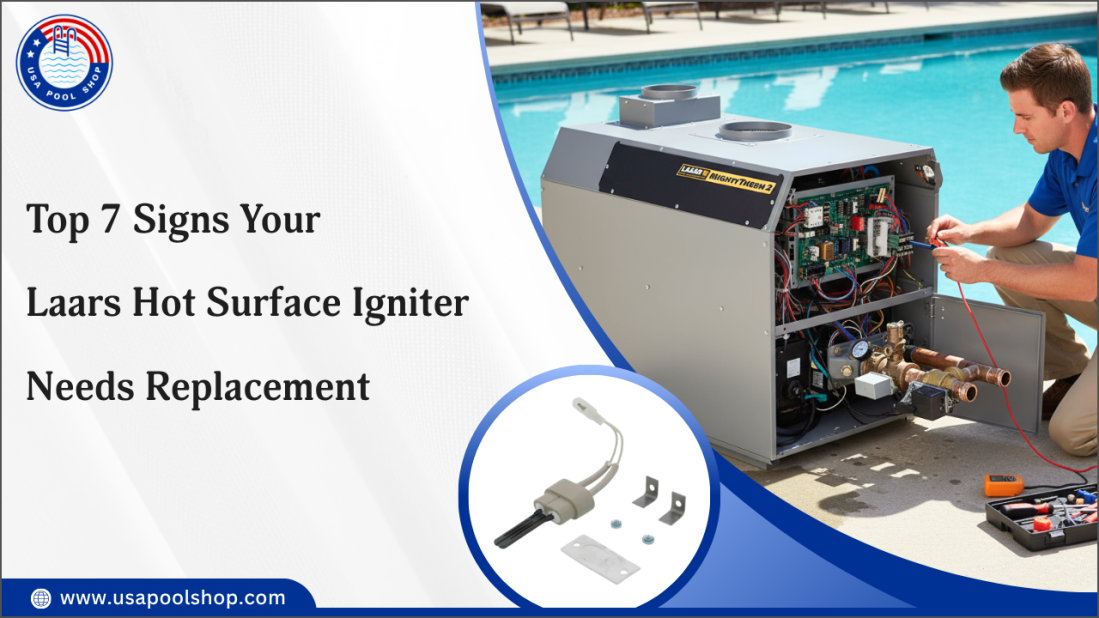
A Laars hot-surface igniter is a critical component that lights the burner in your boiler or water heater, allowing the system to produce reliable heat and hot water. Over time, repeated heating cycles, electrical wear, and age can cause the igniter to weaken or fail completely, leading to ignition problems and unexpected system shutdowns. Recognizing the warning signs early can help you avoid costly repairs, improve energy efficiency, and prevent inconvenient breakdowns.
In this guide, we'll cover the top 7 signs your Laars hot surface igniter needs replacement, explain why these issues occur, and help you determine when it's time to install a new igniter to keep your heating system operating safely and efficiently.
What Does a Laars Hot Surface Igniter Do in a Boiler or Water Heater?
A Laars hot surface igniter is the component that initiates the burner ignition sequence in a gas-fired boiler or water heater. When the thermostat signals a demand for heat, the control board supplies electricity to the igniter, causing it to heat until it glows. At the correct temperature, the gas valve opens, the burner ignites, and the system begins heating water for space heating or domestic hot water.
Before identifying the signs of failure, it's important to understand the key functions the igniter performs during every heating cycle:
Starts the burner ignition process: Heats to a high temperature to ignite the gas-air mixture safely.
Works with the ignition control system: Coordinates with the control board and gas valve to ensure ignition occurs in the correct sequence.
Eliminates the need for a standing pilot light: Operates only when heat is required, helping reduce unnecessary gas consumption.
Supports efficient heating performance: Provides consistent burner ignition for reliable boiler or water heater operation.
Enhances operational safety: Allows gas to flow only after the igniter reaches the required ignition temperature, reducing the risk of failed ignition attempts.
Keep your pool heating system operating reliably with high-quality Laars hot surface igniters and replacement parts from USAPoolShop. We offer a wide selection of igniters and essential pool heater parts for leading brands, including Pentair, Hayward, Raypak, Jandy, and Laars, to restore dependable ignition, improve heating efficiency, and keep your equipment running safely
Top 7 Signs Your Laars Hot Surface Igniter Is Failing
A failing Laars hot surface igniter often shows warning signs before it stops working completely. Since the igniter is responsible for lighting the burner, even minor wear can lead to ignition delays, safety lockouts, or a complete loss of heating. Identifying these symptoms early helps prevent unexpected breakdowns and reduces the risk of damage to other ignition system components.
The table below highlights the most common signs of a failing Laars hot surface igniter, their likely causes, and why replacement may be necessary.
Warning Sign | What It Indicates | Why It Happens | Why Replacement Is Needed |
The water heater will not start | The burner never ignites when there is a demand for heat. | The igniter can no longer reach the temperature required to ignite the gas. | Restores normal ignition and heating operation. |
You hear clicking but no burner ignition | The ignition sequence begins, but the burner fails to light. | The control system is functioning, but the worn igniter cannot ignite the gas. | Prevents repeated failed ignition attempts and system shutdowns. |
The igniter does not glow during startup | No visible glow appears during the ignition cycle. | The igniter has an open circuit, electrical failure, or severe wear. | A new igniter restores the ignition sequence. |
Intermittent ignition or delayed burner lighting | The burner lights only after multiple attempts or with a noticeable delay. | The igniter heats inconsistently as it deteriorates. | Improves ignition reliability and reduces stress on other components. |
Frequent system lockouts or reset requirements | The boiler or water heater enters a safety lockout after repeated ignition failures. | The control board detects unsuccessful ignition attempts and stops operation. | Eliminates recurring ignition faults and unnecessary resets. |
Visible cracks, chips, or burn marks on the igniter | Physical damage is visible during inspection. | Repeated heating and cooling cycles weaken the ceramic element over time. | Prevents complete igniter failure and unreliable burner operation. |
Unusual gas odor caused by failed ignition | Gas is released during ignition attempts but does not ignite immediately. | The igniter cannot generate sufficient heat to light the gas promptly. | Restores safe ignition and helps eliminate failed ignition events. |
A Laars hot-surface igniter is a wear component that gradually degrades with normal use. If your boiler or water heater displays one or more of these symptoms, inspecting and replacing the igniter promptly can restore dependable performance, improve safety, and help prevent more extensive ignition system repairs.
Learn about theTop 10 Pool Heater Parts That Commonly Need Replacement to prevent unexpected breakdowns.
What Causes a Laars Hot Surface Igniter to Fail?
A Laars hot surface igniter is designed to withstand thousands of heating cycles, but it is still a consumable component that eventually wears out. Several mechanical, electrical, and environmental factors can shorten its lifespan and lead to ignition failures. Understanding these causes can help you diagnose problems early and avoid unnecessary downtime.
Normal Wear and Thermal Stress
Every time the boiler or water heater starts, the igniter rapidly heats to a very high temperature and then cools after the burner shuts off. These repeated expansion and contraction cycles gradually weaken the ceramic element, making it brittle over time. Once the igniter can no longer reach the required ignition temperature, burner startup becomes unreliable.
Voltage and Electrical Issues
A hot surface igniter depends on a stable electrical supply to operate correctly. Power surges, incorrect voltage, loose wiring, or damaged electrical connectors can prevent the igniter from heating properly. Prolonged electrical problems may also shorten the life of both the igniter and the ignition control system.
Contamination from Dust or Moisture
Dust, dirt, moisture, and combustion residue can accumulate around the igniter and burner assembly. These contaminants interfere with heat transfer and proper ignition while increasing stress on the igniter. Excess moisture may also cause electrical faults or damage the ceramic surface.
Improper Handling During Maintenance
Hot surface igniters are extremely fragile. Touching the heating element with bare hands, applying excessive force during installation, or dropping the igniter can create microscopic cracks that eventually lead to failure. Always handle the igniter carefully and follow the manufacturer's installation guidelines.
Burner Alignment and Airflow Problems
An improperly aligned burner or restricted airflow can expose the igniter to uneven heat or delayed ignition. This forces the igniter to remain energized longer than intended, accelerating wear and increasing the risk of overheating. Keeping the burner clean and ensuring proper airflow helps protect the igniter and improves ignition performance.
How to Troubleshoot a Suspected Igniter Problem
If your Laars boiler or water heater is experiencing ignition problems, a systematic inspection can help determine whether the hot surface igniter is the source of the issue. Before replacing the igniter, check the following items to rule out other possible causes.
Observe the startup sequence: Watch whether the igniter glows before the gas valve opens. No glow usually indicates an igniter or electrical problem.
Inspect the igniter for damage: Look for cracks, chips, discoloration, or burn marks that indicate the igniter has reached the end of its service life.
Check electrical connections: Verify that wiring harnesses and connectors are secure and free from corrosion or loose terminals.
Confirm proper voltage: Measure the voltage supplied to the igniter according to the manufacturer's specifications to ensure the control board is providing power.
Inspect the burner assembly: Remove dirt, rust, or debris that may interfere with burner ignition or proper flame development.
Verify gas supply: Ensure the gas shutoff valve is open and that adequate gas pressure is available for ignition.
Review system fault codes: Many Laars systems display diagnostic codes that can help identify ignition, flame sensing, or control board issues.
If the igniter shows physical damage, fails to glow, or does not meet the manufacturer's electrical specifications, replacement is typically the most effective solution.
ExploreLaars pool heater troubleshooting 101: what every pool owner should know to diagnose common heater problems.
Summary: When and How to Replace the Laars Hot Surface Igniter
Replacing a Laars hot surface igniter at the first signs of failure helps restore dependable ignition and prevents repeated system shutdowns. Delaying replacement can place additional strain on the ignition control system, increase wear on other components, and leave your boiler or water heater unable to operate when heat is needed.
Key Takeaways
Replace the igniter if the burner fails to ignite consistently or the igniter no longer glows during startup.
Inspect the igniter for cracks, chips, or burn marks during routine maintenance.
Address electrical issues, poor burner alignment, and airflow restrictions before installing a new igniter.
Always use the correct replacement igniter specified for your Laars boiler or water heater model.
Handle the igniter carefully during installation to prevent damage to the ceramic element.
Perform regular inspections of the ignition system to maintain reliable heating performance and reduce unexpected failures.
Timely replacement of a worn Laars hot surface igniter helps ensure safe burner ignition, consistent heating, improved energy efficiency, and long-term reliability for your heating system.
FAQs
How do I know if my Laars hot-surface igniter is bad?
Common signs include the boiler or water heater failing to start, the igniter not glowing during startup, delayed burner ignition, repeated system lockouts, or visible cracks and burn marks on the igniter. Testing the igniter's electrical continuity can also confirm whether it has failed.
Can a cracked hot surface igniter still work?
In some cases, a cracked igniter may continue working temporarily, but its performance is unpredictable. Even small cracks reduce structural strength and increase the likelihood of complete failure during future heating cycles. Replacing a cracked igniter is recommended.
What is the average lifespan of a Laars hot surface igniter?
Most Laars hot surface igniters last approximately 3 to 7 years, depending on usage frequency, operating conditions, electrical stability, and routine maintenance. Systems with frequent heating cycles may require replacement sooner.
Why does my Laars boiler keep going into lockout mode?
Repeated lockouts often occur when the ignition sequence fails. A worn hot surface igniter, poor flame sensing, inadequate gas supply, burner contamination, or electrical problems can prevent successful ignition, causing the control board to place the boiler into safety lockout until the issue is corrected.
Disclaimer: This article is provided for general informational purposes only. Always follow your Laars equipment's official service manual and safety guidelines. |




Validate your login