
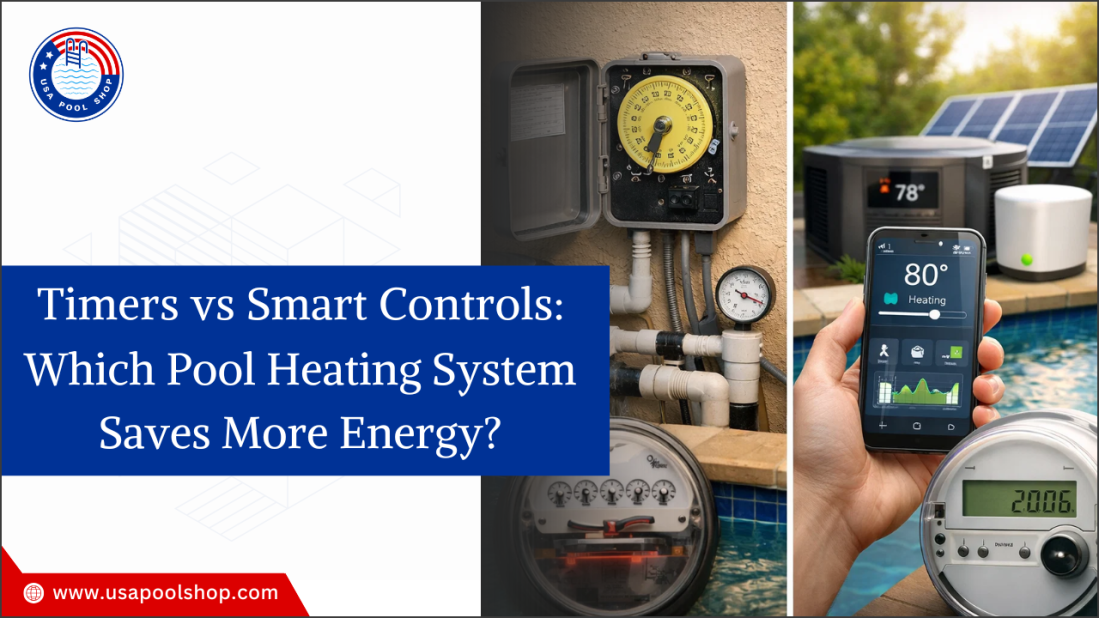
Pool heating can consume a significant amount of energy, making the choice of control system important. Timer-based controls run on fixed schedules, turning the heater on and off at set times, which is simple but may waste energy. Smart controls, on the other hand, use automation, sensors, and sometimes weather data to adjust heating only when needed, improving efficiency.
Choosing between these options depends on your budget, usage habits, and preference for convenience. While pool heater timers are affordable and easy to use, smart pool controls offer better energy savings and performance over time. Using high-quality swimming pool heater parts can also enhance the efficiency and lifespan of your pool heating system.
This blog explains which pool heating control system is more energy-efficient and suitable for your needs.
Understanding Pool Heating Controls and Why They Matter
Pool heating controls help you manage when and how your smart pool heater operates, ensuring the water stays at a comfortable temperature without wasting energy. They regulate heating cycles based on usage, preventing the system from running longer than necessary and helping maintain consistent performance while reducing energy costs.
Why Energy Efficiency Matters
Energy efficiency is important to avoid unnecessary power consumption and keep your pool heating system cost-effective.
Prevents unnecessary heating cycles
Reduces electricity or fuel consumption
Helps lower overall energy bills
This ensures your pool stays warm without excessive energy usage.
Impact on Cost and Maintenance
Proper controls also help reduce strain on the system and improve its lifespan.
Minimizes wear and tear on components
Reduces frequency of repairs
Extends the lifespan of the heating system
This leads to better performance, fewer breakdowns, and long-term savings, making efficient control systems essential for any pool setup.
How Timer-Based Pool Heater Controls Work
Timer-based smart pool heater controls run your heater on a fixed schedule, letting you decide exactly when it turns on and off. This helps keep your pool warm during the times you actually use it, without needing constant manual control. It’s a simple way to manage heating, especially if your pool usage is regular and predictable.
Operate on pre-set on/off schedules
Heat the pool only during selected time periods
Reduce unnecessary runtime compared to always-on systems
Simple to set and easy to use
Cost-effective compared to advanced systems
Suitable for regular and predictable pool usage
May run unnecessarily during warm weather
Requires manual adjustments for seasonal changes
Timer-based controls are a practical option if you want a straightforward and affordable way to manage pool heating. They offer basic energy control, but may not adapt to changing conditions as efficiently as smarter systems.
Smart Pool Heating Controls: Features & Advantages
Smart pool heating controls are designed to make pool heating easier, smarter, and more energy-efficient. Instead of following fixed schedules, they automatically adjust heating based on real-time factors like water temperature, weather conditions, and how often the pool is used. This ensures your pool is heated only when needed, helping you save energy while maintaining comfort.
Features of Smart Pool Heating Controls
Automatically adjust heating based on real-time water temperature
Use weather data to avoid unnecessary heating cycles
Enable remote control through mobile apps from anywhere
Integrate with smart home systems for better automation
Provide scheduling flexibility with adaptive controls
Offer alerts and notifications for system updates
Advantages of Using Smart Pool Heating Controls
Reduce energy waste and improve efficiency
Maintain consistent and accurate pool temperature
Lower overall energy and operating costs
Reduce manual effort and constant monitoring
Improve overall system lifespan through optimized usage
Enhance user convenience with automated control
Smart pool heating controls are ideal if you want better convenience, smarter operation, and long-term savings, making them a more efficient and user-friendly solution for pool heating.
Explore How to Achieve Optimal Pool Temperatures with the Right Heater Setup, while keeping your pool comfortable and energy-efficient year-round.
Energy Efficiency Comparison: Timers vs Smart Controls
When it comes to energy efficiency, the main difference between pool heater timer-based and smart pool heating controls lies in how they operate and adapt to conditions. Timer controls follow fixed schedules, which means they may run even when heating isn’t needed. In contrast, smart controls continuously adjust based on real-time factors like temperature and weather, helping reduce energy waste and improve overall efficiency.
The table below highlights the key differences in energy efficiency, operation, and performance between timer-based and smart pool heating controls.
Aspect | Timer-Based Controls | Smart Controls |
Operation | Fixed schedule | Real-time, automated adjustment |
Energy Usage | May run unnecessarily during warm conditions | Runs only when heating is required |
Adaptability | No adjustment to weather or usage changes | Adapts to weather, temperature, and usage patterns |
Temperature Control | Basic and less precise | Precise and consistent control |
Efficiency Level | Moderate | High and optimized |
Cost Savings | Limited long-term savings | Better long-term cost efficiency |
User Control | Manual setup and changes | Remote and automated control |
Overall Performance | Reliable but less flexible | Smarter and more efficient performance |
Overall, smart controls offer better energy efficiency by reducing unnecessary heating and optimizing usage. Timer-based systems are simpler and budget-friendly but may lead to higher energy consumption if not managed carefully.
Summary: Which Pool Heating Control System Should You Choose?
Choosing between timer-based and smart pool heating controls depends on your budget, usage habits, and how much control you want over energy efficiency. Timer-based systems are ideal for users who prefer a simple, low-cost solution with fixed schedules and predictable usage patterns. However, they may run longer than needed if conditions change. Smart controls, on the other hand, automatically adjust heating based on real-time factors like temperature and weather, helping reduce energy waste and improve overall performance.
Key Takeaways
Timer controls are affordable and easy to operate
Best suited for consistent and predictable pool usage
Smart controls optimize heating based on real-time conditions
Help reduce energy consumption and operating costs
Offer advanced features like automation and remote access
Overall, smart pool heating controls are the better choice for long-term energy savings, convenience, and efficiency, while timer-based systems remain a reliable option for basic, budget-friendly pool heating needs.
Shop at USAPoolShop for essential pool heating solutions, including Heaters & Controls, Heaters & Accessories, and Timers. These high-quality products help you maintain optimal water temperature, improve energy efficiency, and keep your pool comfortable and ready for use all season long.
FAQs
Can pool heater timers be upgraded to smart control systems easily?
Yes, in most cases timers can be upgraded to smart controls, depending on your heater model and compatibility with smart systems.
Do smart pool controls work with all types of pool heaters?
Most smart controls are compatible with common heater types, but it’s important to check compatibility with your specific system before upgrading.
How much energy can smart pool controls save annually?
Smart controls can significantly reduce energy usage by optimizing heating cycles, often leading to noticeable savings over time.
Are there maintenance differences between timers and smart controls?
Timer systems require minimal maintenance, while smart controls may need occasional software updates but generally reduce system wear.
What safety features are included in modern pool heating control systems?
Modern systems include features like automatic shut-off, temperature limits, and system alerts to ensure safe and efficient operation.
Disclaimer: This blog provides general information about pool heating systems. Always seek professional guidance before installing, modifying, or servicing your pool heater. |


Validate your login