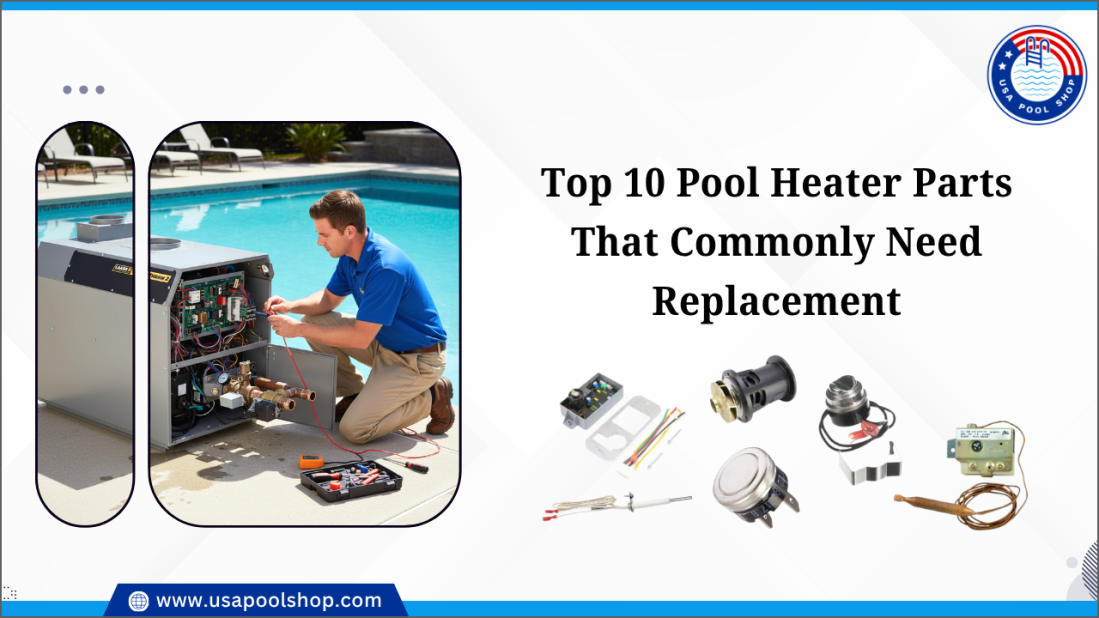
What if your pool heater stops working right when you need it most—just as the temperature drops or guests arrive? Behind every sudden breakdown is usually a small, worn-out component silently failing over time. Pool heaters rely on multiple high-performance pool heater parts that endure heat, pressure, and chemical exposure daily. Ignoring early wear can quickly turn a minor issue into a costly repair or full system failure.
In this guide, we’ll break down the most failure-prone pool heater replacement parts, explain why they wear out, and show you how to spot early warning signs. Whether your goal is to maintain peak efficiency or avoid unexpected downtime, understanding these critical swimming pool heater parts will help you save time, reduce expenses, and keep your pool running smoothly year-round.
How Pool Heater Parts Wear Out Over Time
Pool heater parts are constantly exposed to heat, water pressure, and chemicals, making gradual wear and tear unavoidable. Understanding how pool heater components degrade over time helps you identify problems early and maintain system efficiency. Here are the key ways pool heater parts wear out and impact overall performance:
Corrosion buildup: Continuous exposure to water and pool chemicals causes corrosion in essential pool heater parts like heat exchangers, burners, and gas valve components. Over time, this weakens metal components, reducing heating efficiency and increasing the risk of leaks or complete failure.
Scale formation: Hard water minerals accumulate inside the heat exchanger, leading to scale buildup. This restricts water flow, forces the pool heater to work harder, and significantly lowers energy efficiency, eventually damaging internal components like the bypass valve.
Thermal stress: Repeated heating and cooling cycles create thermal expansion and contraction in pool heater components. This constant stress can cause cracks, warped parts, and premature failure of critical elements such as temperature sensors and manifolds.
Electrical wear: Electrical components like the thermostat, ignition systems, control board, and wiring degrade over time due to constant usage and exposure to moisture. Faulty electrical connections can lead to inconsistent heating or a complete system shutdown.
Debris accumulation: Dirt, leaves, and debris entering the system can clog filters and internal pathways. This reduces water circulation, puts extra strain on pool heater parts like the pressure switch and blower motor, and accelerates overall wear and tear.
At USAPoolShop, we offer a wide range of reliable pool heater components, including ignitors, pressure switches, heat exchangers, and control boards. Whether you’re replacing worn parts or upgrading your system, our quality-focused selection ensures dependable operation.
10 Essential Pool Heater Components That Require Frequent Replacement
Maintaining a pool heater requires regular inspection of components exposed to extreme heat, water pressure, and chemical imbalance. Over time, critical pool heater parts wear out due to corrosion, scaling, and continuous operation. The table below outlines the 10 most commonly replaced pool heater components and why they fail.
Component | Function | Common Issue | Replacement Reason |
Ignitor (Pilot Light) | Ignites the burner | Wears out due to repeated heat cycles | Causes ignition failure or delayed startup |
Pressure Switch | Detects water flow | Affected by scale or corrosion | Prevents the heater from turning on or causes a shutdown |
Thermal Regulator (Bypass Valve) | Regulates internal water temperature | Malfunction leads to condensation | Causes soot buildup and damages the heat exchanger |
Heat Exchanger (Coil/Tube Sheet) | Transfers heat to water | Corrosion from poor water chemistry | Leads to leaks and reduced efficiency |
Header Gaskets/O-Rings | Seals connections | Cracks or degrades over time | Results in water leakage |
Burner Tray/Orifices | Distributes flame evenly | Clogs with debris or rust | Causes uneven heating and soot formation |
Flame Rollout Switch | Safety shut-off device | Trips due to overheating or flame escape | Must be replaced after activation |
Temperature Sensor (Thermistor) | Monitors water temperature | Fails due to corrosion or wear | Causes error codes or improper heating |
Gas Valve | Controls gas flow | Internal components wear out | Leads to ignition issues or no heating |
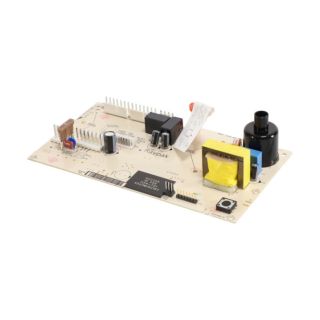
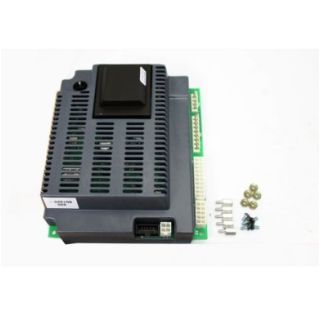
Control Board (PCB) | Controls overall operation | Damaged by moisture or power surges | Results in a complete system malfunction |
Watch our video on swimming pool heater parts and controls, which highlights key components and controls for efficient heating and reliable performance.
Warning Signs You Need to Replace Pool Heater Parts
Pool heaters usually don’t stop working suddenly—they give clear warning signs before parts fail. If you notice any of the issues below, it may be time to repair or replace certain components.
Water Not Heating Properly: If your pool is not reaching the desired temperature or is taking much longer to heat, something isn’t working efficiently. This could be due to a faulty heat exchanger, thermostat, or heating element. When this happens, your heater has to work harder, which can lead to further damage.
Strange Noises: Unusual sounds like banging, clicking, or whistling are not normal. These noises often indicate scale buildup, blocked water flow, or ignition issues related to the igniter or burners. Ignoring these sounds can lead to bigger problems inside the heater.
Rust or Corrosion: Visible rust on the heater or its internal parts is a strong warning sign. Corrosion weakens components like the gas valve and reduces efficiency. In most cases, corroded parts cannot be repaired and need to be replaced.
Water Leaks Around the Heater: If you notice water pooling around your heater, it could mean there are cracks, loose connections, or damaged O-rings and seals. Even a small leak can lead to serious internal damage if not fixed quickly.
Heater Turning Off Frequently: If your heater keeps shutting down or showing error codes, it’s likely a safety issue. This may be caused by faulty sensors, pressure switches, or control systems that need replacement.
Higher Energy Bills: A sudden increase in your energy bill without increased usage is a clear sign your heater is losing efficiency. Worn-out parts force the system to run longer, using more energy to do the same job.
Difficulty Starting the Heater: If your heater struggles to start or the flame doesn’t stay lit (in gas heaters), the ignition system may be failing. This is a common issue that usually requires part replacement.
Tip: If you notice any of these signs, don’t ignore them. Replacing faulty pool heater parts early can save you from expensive repairs and help your system run efficiently for a longer time.
How to Extend the Life of Pool Heater Components
Extending the lifespan of pool heater components requires consistent maintenance, balanced water chemistry, and proactive inspections. Since pool heater parts operate under high heat and chemical exposure, small preventive steps can significantly reduce wear and costly replacements. Here are the most effective ways to protect and extend the life of your pool heater components.
Maintain water chemistry: Balanced chemistry is the foundation of heater longevity and performance.
pH level: Keep between 7.4 to 7.6 to prevent corrosion and scaling
Total alkalinity: Maintain 80–120 ppm for water stability
Calcium hardness: Ideal range is 200–400 ppm to avoid internal scale buildup
Chlorine levels: Avoid over-chlorination to protect metal components like the heat exchanger.
Poor water balance—especially low pH or high calcium—can quickly damage heat exchangers and reduce heating efficiency.
Regular cleaning: The heat exchanger is the most critical and expensive component, requiring regular care.
Flush periodically to remove debris and mineral deposits
Use manufacturer-approved descaling solutions when needed
Inspect for corrosion, scaling, or blockages
Routine cleaning ensures efficient heat transfer and prevents overheating or internal strain.
Ensure Proper Water Flow: Consistent water flow is essential to prevent overheating and system damage.
Clean pool filters regularly
Check for clogged pipes, valves, or obstructions
Maintain correct pump operation and flow rate
Low or restricted flow can trigger shutdowns and damage components like the pressure switch and blower motor.
Prevent Corrosion and Environmental Damage: Protecting the heater from chemical and environmental stress extends component life.
Install chemical feeders downstream of the heater
Use corrosion-resistant replacement parts
Consider adding a sacrificial anode for extra protection
Keep the heater area clean, well-ventilated, and free from debris
Saltwater systems require extra care due to higher corrosion risk.
Perform Routine Maintenance and Seasonal Care: Consistent inspection and seasonal preparation prevent costly failures.
Inspect burners, ignition systems, wiring, and controls
Check for leaks, rust, or unusual noises
Use a pool cover to reduce workload and heat loss
Winterize the heater by draining water and protecting the unit (if applicable)
Annual professional servicing is recommended to keep the system operating efficiently and safely.
Explore how to maintain swimming pool heater parts for longevity, highlighting simple maintenance tips to extend lifespan and ensure efficient performance.
Summary: Keep Your Pool Heater Running Efficiently Year-Round
Keeping your pool heater running efficiently year-round comes down to proactive maintenance and timely replacement of worn-out components. By understanding how pool heater parts function and recognizing early warning signs, you can prevent costly breakdowns and ensure consistent performance. A well-maintained pool heater not only improves efficiency but also extends the lifespan of your entire system.
Key Takeaways:
Routine maintenance matters, as regular inspection and servicing help prevent unexpected pool heater failures and costly repairs.
Replace parts on time so worn components like ignitors, pressure switches, and sensors don’t lead to system breakdowns.
Water chemistry is critical because properly balanced pool water prevents corrosion and scale buildup in essential heater parts.
Watch for warning signs since issues like inconsistent heating, leaks, and unusual noises indicate failing pool heater components.
Ensure proper water flow by keeping filters clean and circulation unobstructed to protect internal parts from overheating and damage.
Professional servicing helps, as annual expert maintenance improves efficiency and extends the lifespan of your pool heater system.
FAQs
What is the most common pool heater part to fail?
The ignitor is the most common failure point due to repeated heat cycles. Pressure switches and temperature sensors also wear out frequently due to scale and corrosion.
How do I know if my pool heater heat exchanger is bad?
Common signs include leaks, rust, poor heating performance, and unusual noises. Soot buildup or visible corrosion also indicates damage.
How often should pool heater parts be replaced?
Smaller parts like ignitors and sensors typically last 1–3 years, while major components like heat exchangers can last 5–10 years with proper maintenance.
Why is my pool heater not heating properly?
It may be due to faulty parts like the thermostat, pressure switch, or gas valve. Low water flow and scale buildup can also reduce heating efficiency.
Can I replace pool heater parts myself or need a professional?
You can handle basic maintenance and simple replacements, but complex components like gas valves or control boards should be handled by a professional.
Disclaimer: This content is for informational purposes only and does not replace professional advice or technical inspection. Always consult a qualified technician before repairing or replacing pool heater components. |


Validate your login