
All Categories
Blog
-
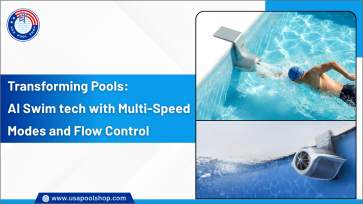
Pools are getting smarter with AI swim technology featuring multi-speed modes and flow control. These systems adjust automatically based on pool usage, keeping water circulating efficiently while saving energy. Homeowners benefit from less manual work, smoother water movement, and a more enjoyable swimming experience.
In addition, smart swim systems help pool equipment last longer and perform more reliably. By running at the right speed for each task and precisely controlling water flow, they reduce wear and tear, lower energy costs, and maintain consistent performance. Swimming Pools become easier to manage, more efficient, and more comfortable for swimmers.
This blog explains how AI swim tech and smart flow improve pool performance and efficiency.
-
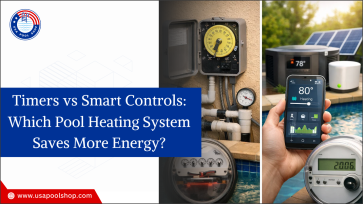
Pool heating can consume a significant amount of energy, making the choice of control system important. Timer-based controls run on fixed schedules, turning the heater on and off at set times, which is simple but may waste energy. Smart controls, on the other hand, use automation, sensors, and sometimes weather data to adjust heating only when needed, improving efficiency.
Choosing between these options depends on your budget, usage habits, and preference for convenience. While pool heater timers are affordable and easy to use, smart pool controls offer better energy savings and performance over time. Using high-quality swimming pool heater parts can also enhance the efficiency
-
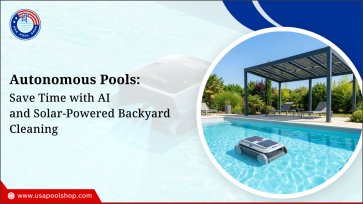
Maintaining a backyard pool can be both time-consuming and expensive. From skimming leaves and debris to balancing chemicals and monitoring water quality, traditional pool care often feels like a full-time job. Many homeowners struggle to keep their pools clean and safe, especially during busy seasons or vacations.
Autonomous pool systems powered by AI and solar energy are changing the game. These smart systems can clean your pool automatically, monitor water quality, and operate efficiently using renewable energy. By reducing manual effort and energy costs, they make pool ownership easier and more enjoyable.
This blog explains how AI and solar-powered technologies are transforming pool maintenance, making it effortless and eco-friendly.
-

Underwater pool lighting enhances nighttime visibility, improves swimmer safety, and adds an appealing glow to residential and commercial pools. Modern options like LED, fiber optic, and solar lights offer energy efficiency, durability, and attractive lighting effects.
Selecting the right system involves comparing brightness, efficiency, waterproof protection, and electrical safety standards. Proper installation with low-voltage systems and GFCI protection ensures safe, long-lasting performance.
This blog explains underwater pool lighting types, key features, safety standards, and installation basics.
-
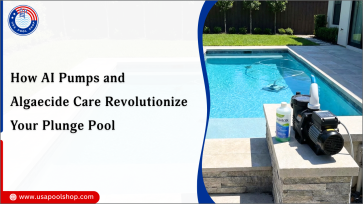
Plunge pools are designed for relaxation, but maintaining them can often feel like extra work. Because of their smaller size, plunge pools are more sensitive to circulation issues, algae growth, and chemical imbalance, which can quickly affect water quality if not managed properly. Traditional pool systems often require frequent monitoring and manual adjustments, taking time away from enjoyment.
Modern pool technology is changing that experience. AI-powered pumps and smart algaecide care work together to simplify maintenance, improve water clarity, and reduce energy usage, making plunge pool ownership easier and more enjoyable.
-
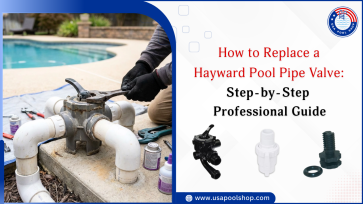
Proper water circulation is essential for a healthy swimming pool, and pool pipe valves play a vital role in controlling water flow, pressure, and direction. When a valve fails, it can quickly lead to leaks, poor circulation, air buildup, or damage to pool equipment.
The Hayward Pool Pipe Valve is commonly used in both residential and commercial pools for its durability, but continuous exposure to water pressure, chemicals, and weather conditions, it may eventually require replacement. This guide covers everything you need to know about pool pipe valve replacement, helping you identify issues to post-installation testing, ensuring your pool system operates efficiently and leak-free.
-
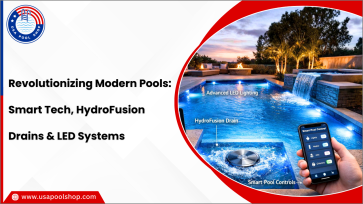
Modern swimming pool construction has evolved beyond concrete shells and basic filtration systems. Today’s pools are smart, efficient, and designed to deliver superior performance, safety, and sustainability. Homeowners now expect crystal-clear water, low maintenance, energy efficiency, and advanced lighting and electrical systems for automated pool control, along with safety features that work seamlessly. Intelligent automation allows pumps, heaters, and filtration to operate efficiently while sensors monitor water quality and chemical balance, creating a safe, convenient, fully automated swimming experience.
New construction technologies c
-
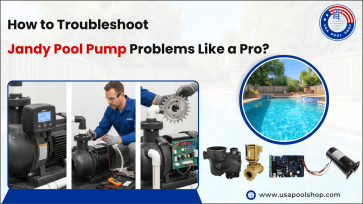
A pool pump is the heart of your swimming pool system, and when it stops working correctly, everything from water circulation to filtration is affected. Jandy pool pumps are known for durability, efficiency, and smart technology, but even the best equipment can develop issues over time.
Whether you are dealing with a Jandy pool pump not priming, sudden shutdowns, weak water flow, or controller errors, knowing how to troubleshoot the problem can save time, money, and frustration. This long-form guide walks you through professional-level Jandy pool pump troubleshooting, covering electrical, mechanical, and hydraulic problems along
-
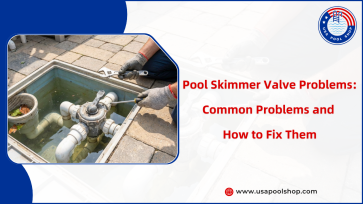
A pool skimmer valve is a small but essential part of your pool’s circulation system, controlling water flow from the skimmer to the pump. It helps remove debris, maintain water clarity, and ensures efficient filtration, protecting your pool equipment. Over time, skimmer valves can develop problems due to wear, debris buildup, or improper installation.
Common issues include leaks, sticking, and broken handles, which can disrupt water flow and reduce pool efficiency. Most problems can be fixed with basic tools and some know-how. Recognizing the signs of a failing pool skimmer valve and addressing them promptly can save you from costly repairs and keep your pool clean, safe, and running smoothly throughout the season.
-

Selecting the correct pool pump size is one of the most important decisions for maintaining a healthy, efficient, and long-lasting swimming pool. A pool pump is key to the circulation system, responsible for moving water through the filter, heater, and other equipment to keep the pool clean and safe. When the pump is not properly sized, the entire system can suffer, leading to higher energy bills, poor water clarity, and premature wear on pool equipment.
Many pool owners assume that a larger or more powerful pump will always perform better. In reality, pump sizing must align closely with pool volume, plumbing design, and system requirements. An undersized pump may struggle to circulate water effectively, while an oversized pump can waste energy and stress components. This guide explains the technical and practical aspects of
Recent Posts
Underwater Pool Lighting Types: Features, Safety, and Installation Guide
February 17, 2026
AI Pumps Algaecide Care Revolutionize Your Plunge Pool
February 03, 2026
Validate your login